








Models que llegeixen el cervell, interfícies cervell-ordinador i neurodrets: la convergència entre IA i neurociència el 2026 i què implica per a les dades.

Descobreix com startups sueques com Norrsken, Stark Future i King han escollit Barcelona per créixer. El pont entre l'ecosistema nòrdic i el Mediterrani.

Descobreix com la intel·ligència artificial i el Model Context Protocol (MCP) estan transformant la generació de continguts el 2026. Estadístiques, tendències i oportunitats per a empreses.

Anthropic ha publicat un estudi sobre l'impacte de la IA al mercat laboral. Analitzem les dades reals: quins llocs de treball estan més exposats i com preparar-se des de les pimes industrials catalanes.

Descobreix com la IA i l'agricultura de precisió estan revolucionant els parcs agraris periurbans, millorant la sostenibilitat, la productivitat i la gestió dels recursos naturals.

Descobreix com Claude, la intel·ligència artificial d'Anthropic, pot ajudar les PIMES catalanes a automatitzar tasques, millorar la productivitat i competir amb grans empreses. Guia pràctica amb casos d'ús reals.
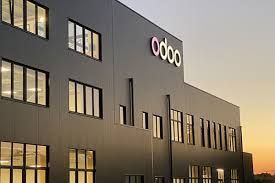
En un món cada vegada més digitalitzat, la transformació digital s'ha convertit en una necessitat imperativa per a les petites i mitjanes empreses (PIMEs), especialment en el sector industrial. En aquest context, Odoo ERP emergeix com la solució ideal per guiar les empreses catalanes cap a un futur més eficient i tecnològic. Amb una oferta modular i flexible, Odoo ERP no només facilita la implementació de processos digitals, sinó que també ofereix una àmplia gamma de funcionalitats adaptades a les necessitats específiques de cada empresa. Aquest document explorarà com Odoo ERP pot transformar la gestió empresarial i proporcionar un avantatge competitiu significatiu, impulsant la innovació i l'eficiència en cada aspecte del negoci.

Aquesta afirmació, basada en un estudi recent del MIT Tech Review , posa de manifest l’emergència d’una tendència imparable: les plataformes d’IA generativa (com ChatGPT o Bard) reben més de 1,4 mil milions de consultes mensuals, convertint-se així en un nou espai de competició digital on les empreses que no hi siguin presents quedaran en desavantatge. En la meva trajectòria com a consultor digital a Impuls , he pogut acompanyar diverses organitzacions que volen garantir que la seva marca aparegui en les respostes i recomanacions de motors d’IA. Ara bé, cal remarcar un punt important abans de continuar: no puc detallar casos reals al 100% per qüestions de confidencialitat. Tanmateix, sí que puc compartir estratègies, metodologies i resultats agregats aconseguits en diversos projectes, de manera que pugueu aplicar-los a la teva empresa. En aquest article descobriràs com la GEO (Generative Engine Optimization) pot multiplicar les mencions de marca i fer que la teva empresa sigui més recomanada en respostes d’IA. T’explicaré què és la GEO, com es diferencia del SEO i quines són les estratègies que han provat el seu èxit, sempre tenint en compte l’enfocament E-E-A-T (Experience, Expertise, Authoritativeness, Trustworthiness). El resultat: si apliques aquestes tàctiques, podràs triplicar la presència de la teva marca i reforçar la teva autoritat digital en un termini relativament curt—parlem de poques setmanes o mesos, en comptes d'anys. Finalment, l’objectiu d’aquest article és empoderar empresaris, emprenedors i professionals del màrqueting perquè s’anticipin als canvis inevitables de l’era de la IA generativa . Si la teva empresa aspira a créixer o simplement vol mantenir la seva quota de mercat digital, és indispensable adaptar-se a aquest nou ecosistema. Per això, repassarem exemples pràctics , taules comparatives , recomanacions per a la reputació en línia i FAQs que, de ben segur, et donaran les claus per prendre bones decisions.

En l'era digital actual, les xarxes socials s'han convertit en una eina indispensable per potenciar el teu negoci B2B. Amb les estratègies de màrqueting social adequades, les empreses poden augmentar la seva visibilitat, connectar amb altres negocis i establir-se com a líders en la seva indústria. La promoció empresarial a través de xarxes com LinkedIn, Twitter i Facebook pot transformar completament la manera com una empresa es relaciona amb els seus clients i col·laboradors. En aquest document, explorarem com el màrqueting digital pot ser un aliat poderós per impulsar el creixement del teu negoci i inspirar-te a innovar i evolucionar en el món digital, aprofitant al màxim les xarxes socials. Importància de les Xarxes Socials en B2B Incrementar la Visibilitat Empresarial En el context del màrqueting digital per a empreses B2B, augmentar la visibilitat és fonamental per assegurar un creixement sostingut. Les xarxes socials ofereixen una plataforma única per aconseguir aquest objectiu, ja que permeten a les empreses connectar amb un públic ampli i diversificat. Mitjançant l'ús estratègic de plataformes com LinkedIn i Twitter, les empreses poden mostrar les seves ofertes, compartir coneixements de la indústria i establir-se com a líders del sector. Això no només ajuda a incrementar la notorietat de la marca sinó que també potencia la confiança i la credibilitat davant de clients potencials. A més, les xarxes socials proporcionen la possibilitat de segmentar l'audiència, assegurant que els missatges arriben als destinataris adequats. Aquesta visibilitat millorada pot convertir-se en un factor clau per augmentar les oportunitats de negoci i establir relacions comercials sòlides i duradores. Connexió amb el Públic Objectiu Les xarxes socials ofereixen a les empreses B2B una oportunitat inigualable per connectar de manera efectiva amb el seu públic objectiu. A través de plataformes com LinkedIn, les empreses poden interactuar directament amb professionals de la indústria, potencials clients i altres negocis interessats. Aquesta interacció directa i constant permet construir relacions sòlides i de confiança amb el públic. A més, les empreses poden utilitzar les xarxes socials per obtenir informació valuosa sobre les necessitats i preferències del seu públic, ajustant així les seves estratègies de màrqueting per satisfer millor aquestes demandes. Amb continguts rellevants i personalitzats, les empreses poden captar l'atenció del seu públic objectiu i fomentar la participació activa, convertint les connexions en oportunitats reals de negoci. Aquesta capacitat de connexió personalitzada i oportuna és essencial per mantenir-se competitiu en el mercat B2B actual. Millorar la Reputació de Marca En l'entorn B2B, mantenir una bona reputació de marca és essencial per generar confiança i lleialtat entre els clients i col·laboradors. Les xarxes socials proporcionen un canal eficaç per gestionar i millorar aquesta reputació. Mitjançant la publicació de contingut de qualitat, responent ràpidament a les consultes i comentaris dels usuaris, i compartint èxits i testimonis positius, les empreses poden construir una imatge sòlida i creïble. A més, una presència activa a les xarxes socials permet a les empreses mostrar la seva expertesa, innovacions i compromís amb la satisfacció del client, aspectes clau per reforçar la percepció de la marca. Aquestes accions demostren transparència i dedicació, elements que els clients valoren altament. En conseqüència, una gestió adequada de la reputació a través de xarxes socials pot convertir-se en un avantatge competitiu significatiu, ajudant les empreses a destacar en un mercat saturat i exigent. Estratègies de Màrqueting Social Efectives Contingut Rellevant i Atractiu Produir contingut rellevant i atractiu és una estratègia clau en el màrqueting social per a empreses B2B. El contingut ha de resoldre problemes reals i aportar valor al públic objectiu. Això pot incloure articles tècnics, infografies, estudis de cas i vídeos explicatius que destaquin la proposta única de valor de l'empresa. A més, un contingut ben elaborat i visualment atractiu no només capta l'atenció, sinó que també fomenta la participació i el compartir entre els usuaris. La personalització del contingut segons les preferències i necessitats del públic augmenta significativament la seva efectivitat. És essencial mantenir un calendari de publicacions regular per assegurar que l'empresa es manté present en la ment del públic. Aquesta consistència, juntament amb l'originalitat i la qualitat del contingut, pot ajudar les empreses a establir-se com a referents del sector i a fomentar relacions més profundes i duradores amb el seu públic. Ús de Plataformes Adequades Triar les plataformes adequades és crucial per a l'èxit de les estratègies de màrqueting social en l'àmbit B2B. Cada plataforma ofereix diferents avantatges i característiques que poden ser explotats segons els objectius i el públic de l'empresa. LinkedIn, per exemple, és ideal per a establir connexions professionals i compartir contingut de la indústria, mentre que Twitter pot ser utilitzat per a converses en temps real i notícies d'última hora. Facebook, tot i ser més conegut per al consum personal, també pot ser útil per a crear comunitats i promocionar esdeveniments. L'ús efectiu d'aquestes plataformes implica comprendre on es troba el públic objectiu i quines són les seves preferències de consum de contingut. A més, adaptar el missatge i el format del contingut a cada plataforma pot augmentar significativament la seva efectivitat, assegurant que l'empresa maximitza el seu abast i impacte en els canals més rellevants. Optimització del Temps i Recursos En el màrqueting social B2B, l'optimització del temps i recursos és essencial per aconseguir resultats efectius sense sobrepassar els límits pressupostaris. L'automatització de tasques rutinàries, com la programació de publicacions i el seguiment de mètriques, pot alliberar temps per a activitats més estratègiques. L'ús d'eines de gestió de xarxes socials permet a les empreses mantenir una presència constant i coherent, sense la necessitat d'intervenció manual contínua. A més, la delegació de tasques específiques a professionals especialitzats pot assegurar que cada aspecte de la campanya de màrqueting es gestiona amb la màxima eficàcia. També és important avaluar regularment els esforços i ajustar les estratègies segons les dades recollides, permetent una resposta ràpida a les tendències canviants del mercat. Aquesta optimització no només millora l'eficiència i l'efectivitat de les campanyes, sinó que també permet a les empreses centrar-se en el desenvolupament de continguts i estratègies que generin un major impacte. Promoció Empresarial a través de Xarxes Campanyes Publicitàries Orientades Les campanyes publicitàries orientades són una eina poderosa per a la promoció empresarial a les xarxes socials en el sector B2B. Aquestes campanyes permeten a les empreses dirigir els seus missatges directament als segments de públic més rellevants, maximitzant així l'eficiència i l'impacte de les seves activitats de màrqueting. Mitjançant l'ús de dades demogràfiques, interessos i comportaments d'usuari, les plataformes socials com LinkedIn i Facebook ofereixen capacitats de segmentació avançades que faciliten la creació d'anuncis altament personalitzats. Això no només augmenta la possibilitat de conversió, sinó que també optimitza la despesa publicitària, ja que els recursos es destinen a audiències amb més probabilitats de resposta positiva. A més, l'anàlisi de resultats en temps real permet ajustar les campanyes sobre la marxa, assegurant que els missatges ressonen amb el públic objectiu. Aquesta capacitat de personalització i precisió converteix les campanyes orientades en una estratègia clau per al creixement i la visibilitat de les empreses B2B. Col·laboracions i Aliances Estratègiques Les col·laboracions i aliances estratègiques a les xarxes socials poden potenciar significativament la promoció empresarial en el sector B2B. Aquestes associacions permeten a les empreses ampliar el seu abast i influència accedint a noves audiències i mercats. A través de col·laboracions amb altres empreses, influenciadors del sector o organitzacions afins, es poden crear continguts conjunts que aportin valor mutu i millorin la visibilitat de la marca. A més, les aliances poden facilitar l'intercanvi de coneixements i recursos, augmentant l'eficiència de les campanyes de màrqueting. Les xarxes socials ofereixen una plataforma ideal per aquestes col·laboracions, ja que permeten una comunicació més directa i transparent entre les parts implicades. També es poden organitzar esdeveniments en línia conjunts, com webinars o conferències, que reforcin la presència i credibilitat de les empreses participants. En conjunt, les col·laboracions estratègiques a les xarxes socials poden generar sinergies valuoses que contribueixin al creixement i èxit del negoci B2B. Mesurament i Anàlisi de Resultats El mesurament i l'anàlisi de resultats són components crucials per a l'èxit de la promoció empresarial a través de les xarxes socials en el sector B2B. Aquest procés permet a les empreses avaluar l'eficàcia de les seves campanyes de màrqueting i identificar àrees de millora. Mitjançant l'ús d'eines analítiques, es poden recollir dades detallades sobre el rendiment de les publicacions, el compromís del públic i la conversió d'usuaris. Això ajuda les empreses a entendre quins continguts i estratègies generen més impacte i com poden optimitzar els seus esforços futurs. A més, l'anàlisi constant permet ajustar les campanyes en temps real, assegurant que els recursos s'utilitzen de manera eficient i que els objectius de màrqueting es compleixen. Aquesta capacitat de mesurament i ajust dinàmic és essencial per mantenir-se competitiu en un mercat en constant evolució, assegurant que les empreses B2B maximitzen el retorn de la inversió en màrqueting digital. Màrqueting Digital B2B Adaptació a les Noves Tendències En el món del màrqueting digital B2B, l'adaptació a les noves tendències és vital per mantenir la rellevància i l'eficàcia de les estratègies empresarials. Les tecnologies i les preferències dels consumidors canvien ràpidament, i les empreses han d'estar atentes als nous desenvolupaments per aprofitar les oportunitats emergents. Això inclou l'ús de noves plataformes de xarxes socials, l'adopció de formats de contingut innovadors com el vídeo en directe i els podcasts, i la integració de tecnologies avançades com l'automatització i la intel·ligència artificial. Adaptar-se a aquestes tendències no només ajuda a captar l'atenció d'un públic més ampli, sinó que també permet oferir experiències més personalitzades i rellevants. A més, una empresa disposada a evolucionar amb les tendències demostra una mentalitat innovadora i proactiva, la qual cosa pot augmentar la seva credibilitat i confiança dins del mercat B2B. Aquesta adaptabilitat és clau per assegurar un creixement continu en un entorn competitiu. Integració de Noves Tecnologies La integració de noves tecnologies en les estratègies de màrqueting digital B2B és essencial per mantenir un avantatge competitiu. Amb l'ús d'eines i plataformes emergents, les empreses poden millorar la seva eficiència operativa i oferir experiències més personalitzades als seus clients. Tecnologies com la intel·ligència artificial i el machine learning permeten analitzar grans volums de dades per obtenir informació valuosa sobre el comportament dels clients i optimitzar les campanyes de màrqueting. A més, solucions com la realitat augmentada i la realitat virtual ofereixen noves formes d'interactuar amb els clients, creant experiències immersives que poden diferenciar una empresa de la competència. També, l'automatització del màrqueting ajuda a agilitzar processos, estalviant temps i recursos alhora que assegura una comunicació coherent i contínua amb el públic. La integració efectiva d'aquestes tecnologies pot conduir a una major innovació i adaptabilitat, assegurant un creixement sostingut en un entorn de màrqueting digital en constant canvi. Fomentar la Transformació Digital Fomentar la transformació digital és fonamental per a les empreses B2B que busquen mantenir-se competitives en el mercat actual. Aquesta transformació implica adoptar tecnologies digitals per millorar els processos interns i l'experiència del client. Implementar solucions digitals com el núvol, la col·laboració en línia i les eines de gestió de la relació amb el client (CRM) pot augmentar l'eficiència i la productivitat de l'empresa. A més, aquestes tecnologies permeten una millor anàlisi de dades, la qual cosa facilita una presa de decisions més informada i estratègica. Fomentar una cultura d'innovació i adaptació dins de l'empresa també és clau per garantir que tots els empleats estiguin alineats amb els objectius digitals. Això es tradueix en una major capacitat de resposta a les tendències del mercat i a les necessitats canviants dels clients. En definitiva, la transformació digital no només modernitza les operacions empresarials, sinó que també prepara l'empresa per a un creixement sostenible i a llarg termini.